

Individually Driven Grinding Heads
What are individually driven grinding heads?
Individually driven grinding heads are the core technology behind the LarsLap® valve grinding system. Each grinding head operates with its own independent drive mechanism, rather than relying on a single rotating plate or friction-based movement. This gives operators precise control over rotation speed and applied pressure at every point of contact with the valve seat.
The result is even material removal across the entire seating surface, regardless of valve size or condition. Consistent contact means consistent results, critical in environments where a failed valve seal can cause unplanned downtime or safety risks.
Portable design allows valve grinding to be performed on-site, without dismantling the pipeline.
Independent drive ensures consistent speed and pressure, regardless of operator technique.
Designed to work across varying valve sizes and conditions without compromising results.
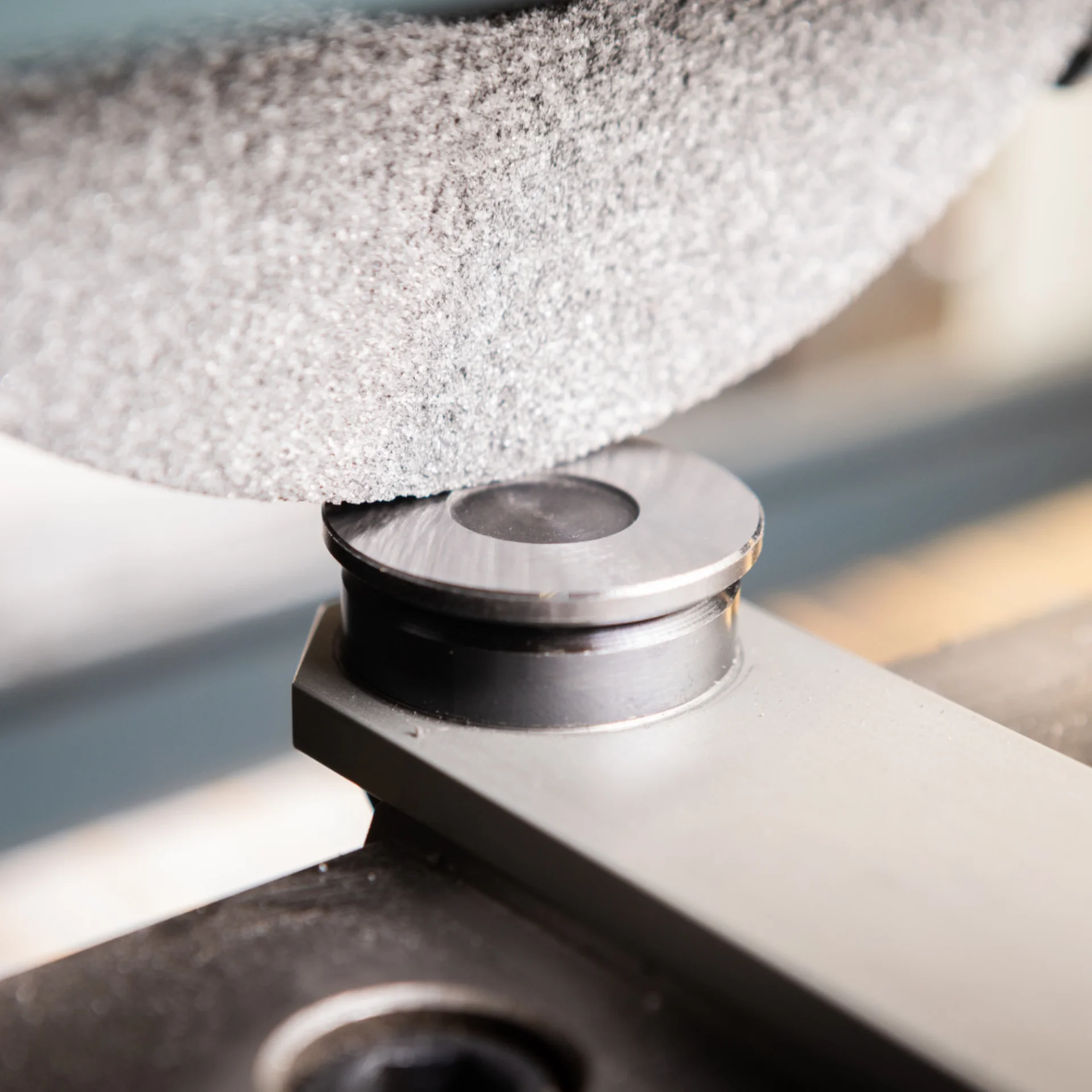
How individually driven grinding heads maintain contact with the valve seat
Conventional valve grinding machines rely on a single rotating plate or friction-driven movement. Under resistance, the grinding heads slow down or stall, creating uneven contact with the valve seat and increasing the risk of surface damage.
The LarsLap® system addresses this through independent drive mechanisms at each grinding head. Rotation speed and applied pressure remain consistent regardless of resistance, ensuring even material removal across the full seating surface. Seat geometry is preserved throughout the process, reducing the risk of valve damage and the need for replacement.
Controlled speed and low-torque rotation for precise material removal
Valve grinding requires a balance between rotation speed and surface protection. Faster rotation increases efficiency but raises the risk of valve damage, particularly under excessive pressure or vibration. The LarsLap® system combines high-speed rotation with light force and controlled abrasion to manage this balance.
The central driving head turns slowly. A mechanical system transfers that movement into high-speed, low-torque rotation at each individual grinding head, reducing the risk of overload or seat damage. Abrasive force is controlled by spring tension rather than operator pressure, ensuring even and predictable material removal. Abrasive discs are selected based on material and finish requirements, allowing each job to be tailored accordingly.
The result is a flat valve surface with a microscopic crosshatch pattern. This pattern prevents fluid from escaping through capillary action, something a visually smooth surface cannot always guarantee.
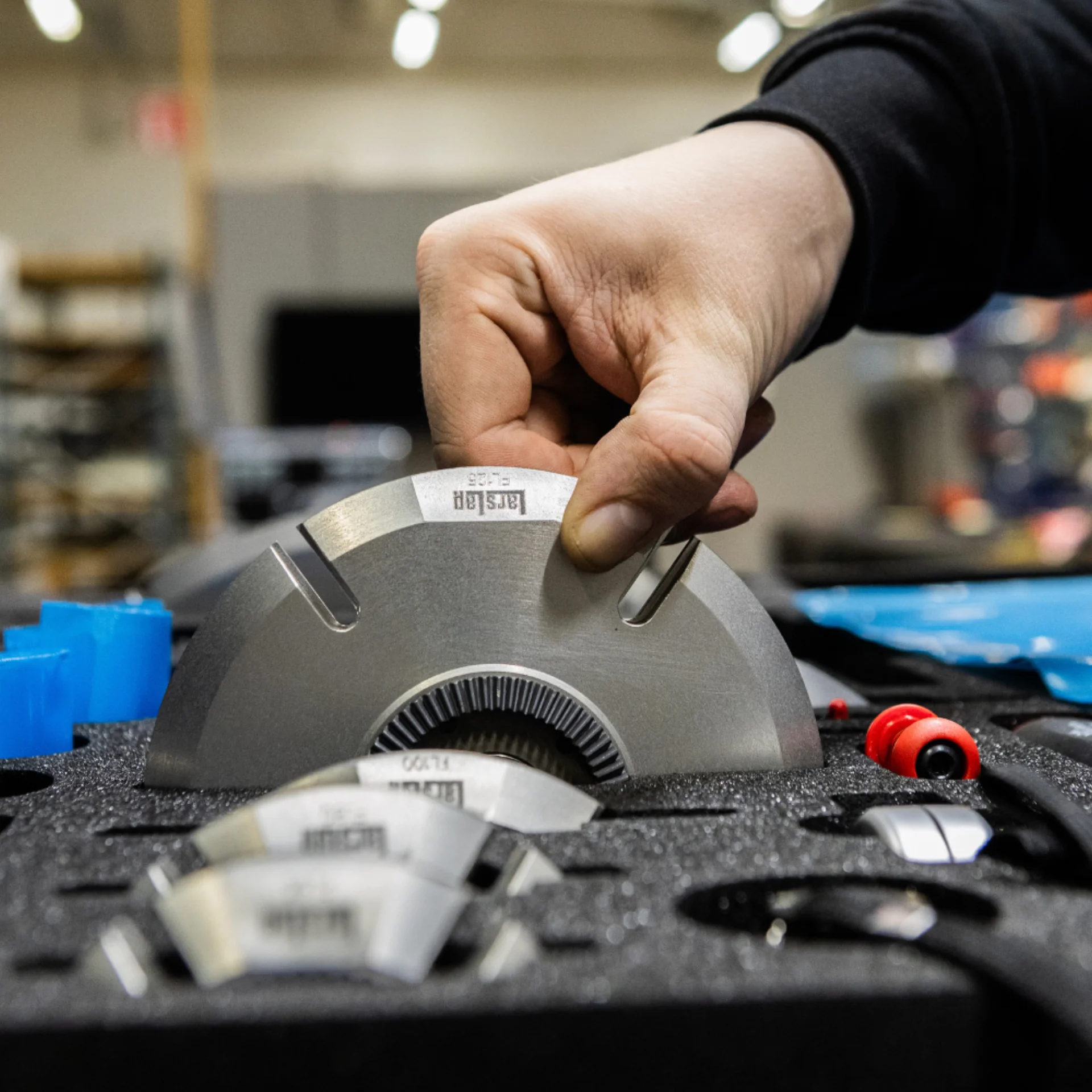

Wide size range and rapid on-site setup
LarsLap® valve grinding machines cover sizes from 10 to 1300 mm, with overlapping size categories that allow one machine to handle multiple applications. This reduces the need for additional equipment and simplifies logistics in maintenance operations.
Each machine includes a three-point clamping system that attaches securely to the valve within seconds. The self-adjusting driving head adapts automatically to any angle between 0 and 90 degrees, and spring tension controls the applied force throughout the grinding process.
FAQ
Conventional machines use a single rotating plate or friction-based movement, which causes grinding heads to slow down or stall under resistance. The LarsLap system gives each head its own independent drive, maintaining consistent speed and pressure regardless of resistance.
LarsLap valve grinding machines cover sizes from 10 to 1300 mm. Overlapping size categories mean one machine can handle multiple applications.
No. The portable design allows grinding to be performed on-site without dismantling the pipeline.
Pressure is controlled by spring tension rather than the operator, ensuring even and predictable material removal regardless of technique.
A visually smooth surface does not always prevent leakage. The LarsLap process produces a microscopic crosshatch pattern that prevents fluid from escaping through capillary action.
The three-point clamping system attaches to the valve within seconds. The self-adjusting driving head adapts automatically to any angle between 0 and 90 degrees.